
Watch children play together for a few minutes and you will probably see much more happening than play. Someone is deciding whose turn comes next. Someone is trying to join a game that has already started. Two children are disagreeing about the rules. Another is deciding whether to try something that looks a little intimidating. Someone loses. Someone gets frustrated. Someone makes a new friend.
To an adult passing by, it can look like a completely ordinary afternoon. For children, it is practice.
Play gives children room to figure out how to exist alongside other people. They learn when to speak up, when to listen, how to compromise, what happens when things do not go their way, and how to try again when something feels difficult.
These moments may happen naturally, but they can become some of childhood’s most important opportunities to grow.
Learning How to Join In
Joining other people is a skill.
Children have to figure out how to approach a group, understand what is already happening, and find their place in it. Sometimes that means asking to participate. Sometimes it means watching for a few minutes before jumping in. Sometimes another child extends the invitation first.
A playground gives children opportunities to practice those interactions over and over again.
Not every attempt will go perfectly. A child might feel shy. Someone might say no. A game may already have rules that are difficult to understand.
But each interaction gives children another chance to learn how relationships begin and how they can contribute to something happening around them.
Figuring Out the Rules Together
One of the interesting things about children’s play is how often the rules are created in real time.
A climbing structure becomes a castle. A particular section of the ground suddenly cannot be touched. Someone invents a new rule halfway through the game, and everyone else has to decide whether they agree.
Children are constantly negotiating. They explain their ideas. They listen to someone else’s version. They disagree. They compromise. Sometimes they start over completely.
Those interactions give children space to practice communicating what they want while also learning that other people have ideas, preferences, and feelings of their own.
That is a complicated lesson, and play gives children a place to experience it naturally.
What Happens When Things Do Not Go Your Way
Childhood play is full of small disappointments.
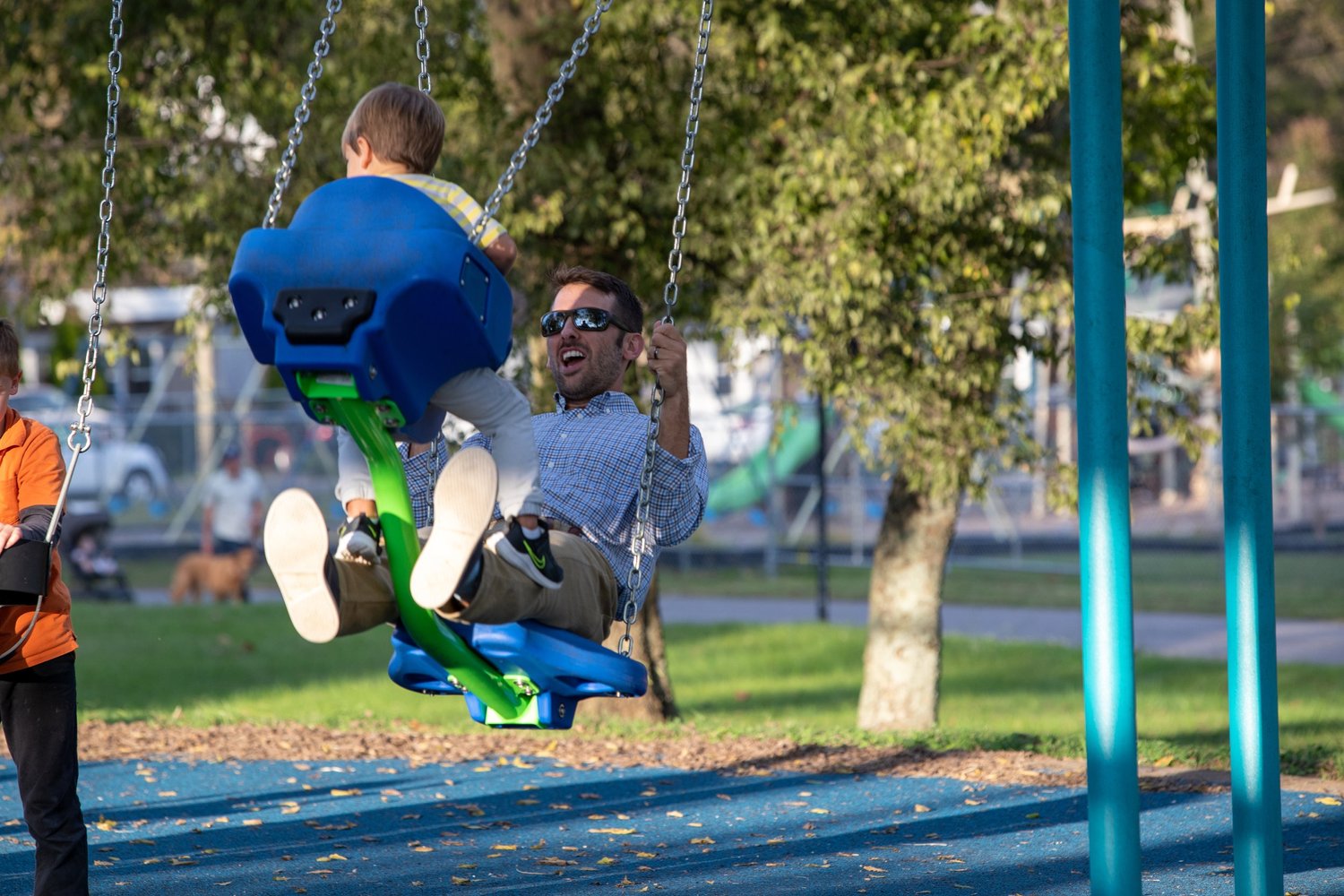
Someone else gets the swing first. A friend wants to play a different game. A child tries something and cannot quite do it yet. A disagreement happens.
The experience may seem minor to an adult, but to a child, the feelings can be very real. Play creates opportunities for children to experience frustration and then decide what happens next.
Do they try again? Ask for help? Choose something different? Work through the disagreement? Take a moment and come back?
Children will not always handle those moments perfectly. They are learning. The playground gives them a place to practice recovering from disappointment and discovering that one difficult moment does not have to end the entire experience.
Building Confidence Through Small Decisions
Children make an enormous number of decisions when they play.
Should I climb higher? Should I try the slide I have been avoiding? Should I introduce myself to that child? Should I invent a new game? Should I try again?
Adults may see small choices, but children are gradually learning to trust themselves. Every time they make a decision, solve a problem, or do something that once felt difficult, they gain another experience that says, “I can figure things out.”
That confidence does not come from adults directing every second. Sometimes it develops because children are given enough room to explore, make choices, and discover what they can do.
Learning That Other People Experience the World Differently
Play also brings children into contact with people who may approach the same experience very differently.
One child wants to run. Another wants to imagine. One wants to lead the game. Another would rather observe before participating. Some children are naturally outgoing. Others need more time.
Shared spaces give children opportunities to encounter those differences and begin understanding that there is rarely only one way to participate.
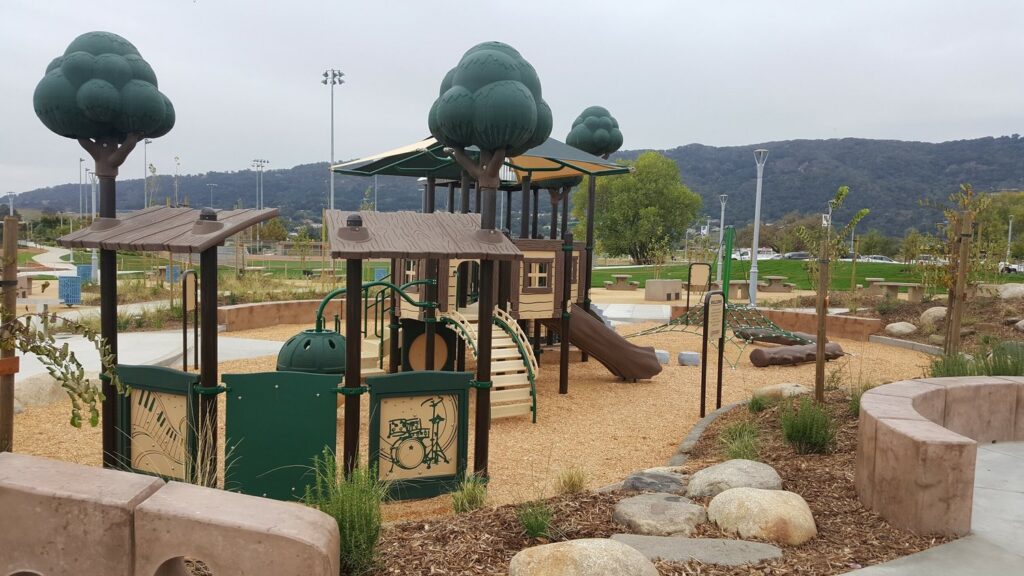
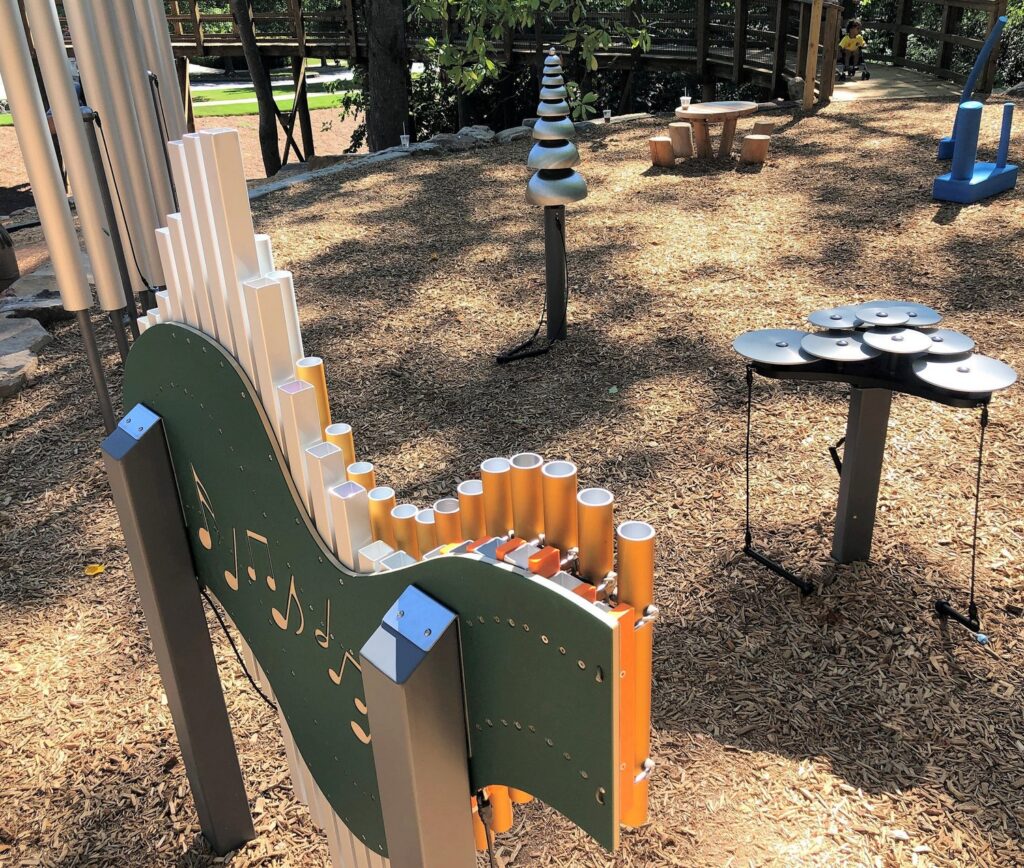
That matters when we think about outdoor environments. A thoughtful space should create more than one kind of opportunity. Children need places for movement and adventure, but they also benefit from opportunities to gather, imagine, observe, connect, and find their own way into play.
Friendship Often Starts With Something Simple
Some childhood friendships begin with very little ceremony.
“Want to play?” A shared laugh. Two children reaching the same piece of equipment at the same time. Someone joining a game.
Play gives children something immediate to share. They do not always need a formal introduction or a planned activity. Sometimes being in the same place, doing something together, is enough to create connection.
And even when an interaction does not become a lasting friendship, children are still practicing how to relate to other people. They are learning how to cooperate, communicate, repair disagreements, share experiences, and enjoy being part of something together.
Creating Space for Children to Practice
Adults spend a lot of time thinking about what children need to learn. Some lessons are taught directly. Others happen while children are laughing, running, imagining, negotiating, getting frustrated, making up, taking turns, testing themselves, and trying again.
That is part of what makes play so valuable.
At Park Planet, we believe the spaces children use should give them room for those experiences to happen. A playground is not only a collection of equipment. It can be a place where children learn about themselves, one another, and what it means to be part of a community.
They may think they are simply playing. In many ways, they are practicing being human.